
Eye Disease Treatment + Emergency Eye Exams

Millions of patients are diagnosed with diseases and conditions of the eye every year. Some of which may not display symptoms until there is irreversible damage to the patient’s vision. The outcome of eye disease can range from temporary discomfort to total loss of vision, which is why all eye problems and diseases should be taken seriously and regular eye check-ups are absolutely essential.
What Are The Causes of Eye Disease?
The main causes of eye problems can be divided into five groups:
Inflammation of the eye and surrounding structures caused by a bacterial, viral, parasitic or fungal infection.
Injuries to the eye and surrounding structures, either as a result of trauma or an object in the eye.
Genetically inherited eye diseases, many of which may only manifest later in life and affect the structures and the functioning of the eye which therefore can impair visual abilities. In some cases, however, children are born with these conditions.
Diseases or conditions, such as migraine or diabetes, which can affect other organs of the body, such as the eyes.
External causes, such as allergies or eye strain due to over-use, or as a side effect of medication.
What Are The Symptoms of Eye Disease?
The three symptoms indicative of eye disease are changes in vision, changes in the appearance of the eye, or an abnormal sensation or pain in the eye.
Changes in vision can include the following symptoms:
Nearsightedness is caused by an elongation of the eyeball over time, making it difficult to clearly see objects far away.
Farsightedness is caused by the shortening of the eyeball, making it difficult to see objects that are close-by clearly.
Blurry or hazy vision, or loss of specific areas of vision, which can affect one or both eyes and is the most common vision symptom. Any sudden changes in vision should be a cause of concern.
Double vision means a single clear image appears to repeat itself. This could be accompanied by other symptoms like headaches, nausea, a droopy eyelid, and misalignment of the eyes.
- Floaters are specks or strands that seem to float across the field of vision. These are shadows cast by cells inside the clear fluid that fills the eye. These are usually harmless, but should be checked out as they could point to something serious such as retinal detachment.
Loss of vision after being able to see before.
Night blindness is the inability to see clearly in the dark or adapting to the dark, especially after coming out of a brightly lit environment.
Impaired depth perception means a person has difficulty distinguishing which of two objects is closer to him/her.
Changes in the appearance of the eye include, but are not restricted to, the following:
Redness or swelling of the eyes, which have a bloodshot appearance.
Watery and itchy eyes, depending on the cause, discharge from the eyes is also possible.
Redness and swelling of the eyelid.
Cloudy appearance of the eye, which occurs due to a build-up of proteins making the lens of the eye appear cloudy. These can be symptomatic of cataracts.
Eyelid twitch. This happens when eyelid muscles spasm involuntarily over a period of time.
Squint
Bulging eyes could be a symptom of hyperthyroidism or an autoimmune disorder called Grave’s disease.
Drooping eyelids can be a sign of exhaustion, aging, migraines or a more serious medical problem.
Pain in and around the eye:
Pain within the eye is called ocular pain, while pain on the surface of the eye is called orbital pain.
Ocular pain can be caused by a scratch or a slight injury to the cornea of the eye or the presence of a foreign object in the eye and often causes redness of the eye. Orbital pain can be sharp or throbbing and may go beyond the surface. This should be a cause for concern if it’s accompanied by vision loss, vomiting, fever, muscle aches, eye-bulging and difficulty in moving the eye in certain directions. Trauma to the eye or the surrounding facial areas can also be the cause of pain.
How Can Eye Diseases Be Treated?
The treatment of eye diseases are divided into four main categories:
Medication
Surgery
Prescription glasses or contact lenses
Treatment of systemic conditions affecting the eye
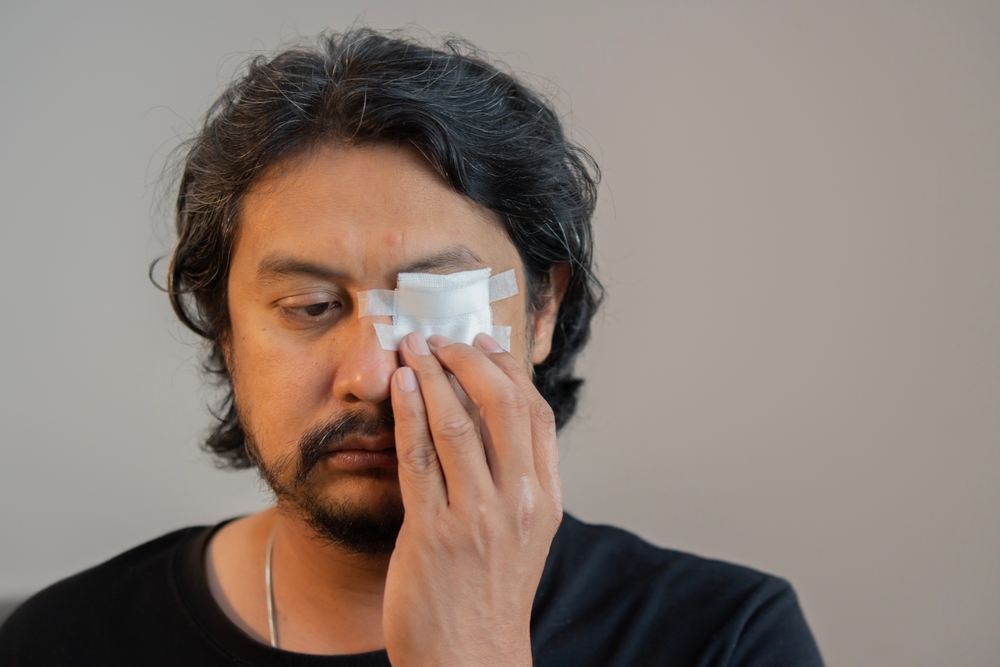
Eye emergencies cover a range of incidents and conditions such as trauma, cuts, scratches, foreign objects in the eye, burns, chemical exposure, photic retinopathy, and blunt injuries to the eye or eyelid. Since the eye is easily damaged, serious complications can occur from an eye injury; thus, any of these conditions without proper treatment can lead to a partial loss of vision or even permanent blindness. Likewise, certain eye infections, other medical conditions, such as blood clots or glaucoma, and eye problems such as a painful red eye or vision loss that are not due to injury also need urgent medical attention.
Depending on the type of injury, any of the following symptoms may be present:
Bleeding or other discharge from or around the eye
Bruising
Decreased vision
Double vision
Loss of vision, total or partial, in one eye or both
Pupils of unequal size
Eye pain
New or severe headaches
Itchy eyes
Redness or bloodshot appearance
A sensation of something in the eye
Sensitivity to light
Stinging or burning in the eye
One eye is not moving like the other
One eye is sticking out or bulging
Nausea or headache occurring with eye pain (this may be a symptom of glaucoma or stroke).
A black eye is usually caused by direct trauma to the eye or face, causing a bruise resulting from bleeding under the skin. The skin around the eye turns black and blue, gradually becoming purple, green, and yellow over several days. Swelling of the eyelid and tissues around the eye may also occur. The abnormal color usually disappears within 2 weeks.
A blow to the eye can potentially damage the inside of the eye. Trauma is also a common cause of hyphema, which is blood inside the front of the eye and is often due to a direct hit to the eye from a ball. Besides, certain types of skull fractures can cause bruising around the eyes, even without direct injury to the eye.
A chemical injury to the eye can be caused by a work-related accident, common household products such as cleaning solutions, garden chemicals, solvents, or other types of chemicals. Fumes and aerosols can also cause chemical burns. With acid burns, the haze on the cornea often clears, and there is a good chance of recovery. However, alkaline substances such as lime, lye, drain cleaners, and sodium hydroxide found in refrigeration equipment may cause permanent damage to the cornea. It is important to flush out the eye with large amounts of clean water or salt water (saline).
Photic retinopathy, also known as foveomacular retinitis or solar retinopathy, is damage to the eye's retina, particularly the macula, from prolonged exposure to solar radiation or other bright light, e.g., lasers or arc welders. It usually occurs due to staring at the sun, watching a solar eclipse, or viewing an ultraviolet, Illuminant D65, or other bright light. Immediate evaluation by your doctor is advised.
In case of an eye injury, cut or trauma, gently apply a clean cold compress to the eye to reduce swelling and help stop the bleeding. Do not, however, apply pressure to control bleeding. If blood is pooling in the eye, cover both eyes with a clean cloth or sterile dressing. And, call your doctor immediately.
In case of eye injury, be sure NOT to:
Rub or apply pressure to your eye
Try to remove foreign objects that are stuck in any part of your eye
Use tweezers or any other tools in your eye (cotton swabs can be used, but only on the eyelid)
Put medications or ointments in the eye
As for contact lens wearers, attempting to remove your contacts can make the injury worse. The only exceptions to this rule are in situations where there is a chemical injury, and the lenses didn’t flush out with water, or where immediate medical help cannot be received.
How to prevent eye injuries
Eye injuries can happen anywhere. Accidents can happen during high-risk activities, but also in places where you least expect them. There are things that can be done to decrease the risk of eye injuries, including wearing protective eyewear when using power tools or engaging in high-risk sporting events, following the directions carefully when working with chemicals or cleaning supplies, keeping scissors, knives, and other sharp instruments away from young children, and keeping a distance from amateur fireworks.
To decrease the chances of developing permanent eye damage, immediate medical evaluation is necessary in the event of an eye injury.
Quick Links
Helpful Articles
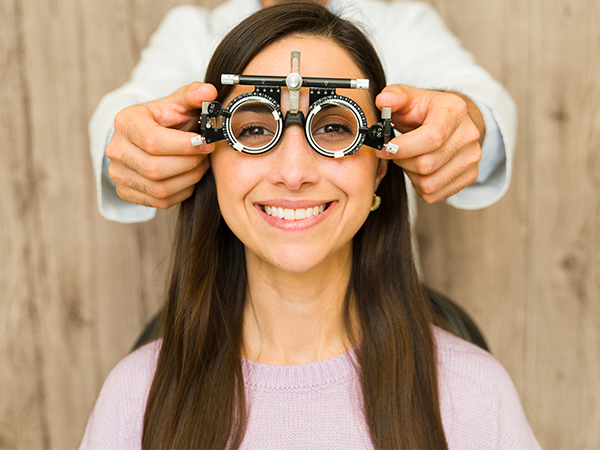
All Eye Care Services
Find personalized eye care excellence with our comprehensive services. From eye exams to advanced diagnostics, trust us for all your vision needs.
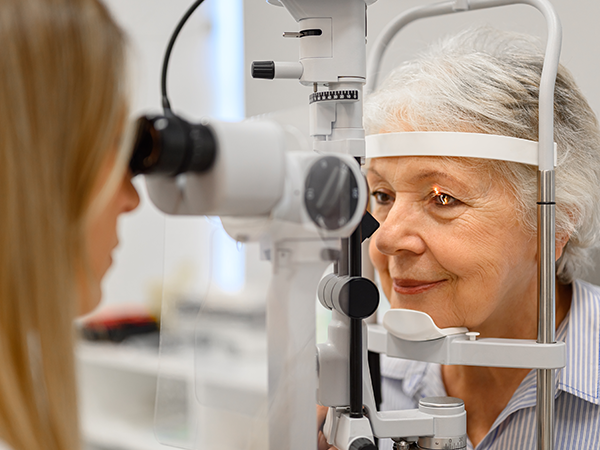
Keep In Touch
For non-urgent questions or to learn more about our services, contact us today!
© 2026 Brooks Eye Care . All rights Reserved - Accessibility Statement - Privacy Policy - Sitemap
Managed and Designed by 